Records of Processing Activities (RoPA): How to Build and Maintain One That Satisfies GDPR Auditors
A Record of Processing Activities is not an annual documentation chore; under Article 30 of the GDPR, it is your primary defense and proof of accountability.
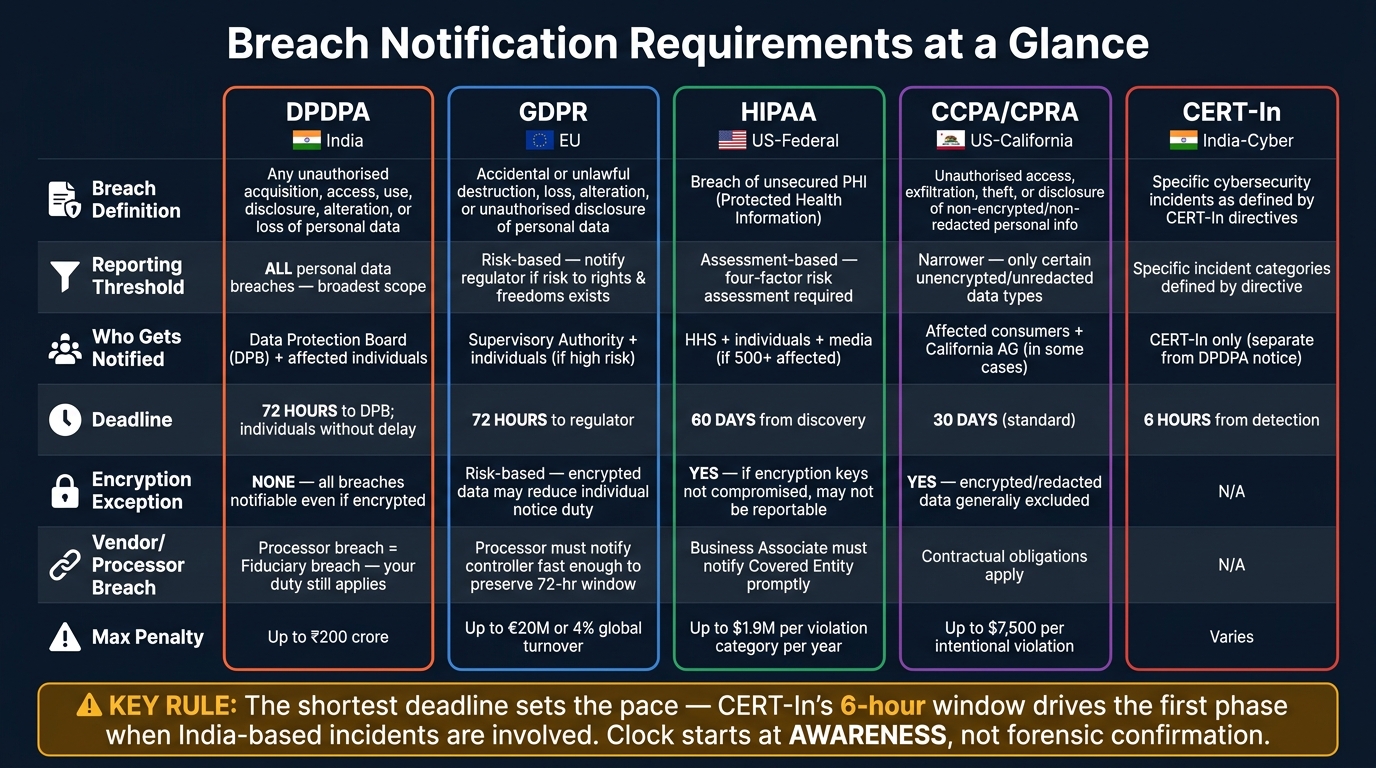
Executive Breakdown: The 5 Pillars of a Defensible RoPA
A Record of Processing Activities (RoPA) is not an annual documentation chore; under Article 30 of the GDPR, it is your primary defense and proof of accountability. If supervisory authorities or audit assessors ask to inspect your data processing records, they expect a living operational inventory—not a static spreadsheet compiled 10 minutes before the review.
Here is the executive breakdown:
- Article 30 is non-negotiable: Both data controllers (Article 30(1)) and data processors (Article 30(2)) must maintain formal records of all personal data operations.
- Auditors check for reality, not theory: If your RoPA lists a 30-day retention rule, but database backups keep data indefinitely, auditors will issue a severe nonconformity.
- Manual spreadsheets break at scale: Tracking systems, sub-processors, retention periods, and transfer mechanisms across dozens of microservices requires continuous data discovery.
- The 5 core pillars of a defensible RoPA:
- Purpose-specific categorization (why you process data).
- Granular data classifications (customer PII, HR records, financial data, special category data).
- Third-party and sub-processor recipient mapping.
- Cross-border transfer mechanisms (SCCs, adequacy decisions, transfer impact assessments).
- Technical and Organizational Measures (TOMs) linked directly to each processing lifecycle.
Quick Comparison: Controller vs. Processor RoPA Obligations
| Dimension | Controller RoPA (GDPR Art. 30(1)) | Processor RoPA (GDPR Art. 30(2)) |
|---|---|---|
| Primary Scope | All processing operations under your governance | Processing activities conducted on behalf of clients |
| Key Details | Purpose of processing, data subject types, retention periods | Names of controllers, sub-processor chains, security measures |
| Lawful Basis | Must align with Article 6 (and Article 9 for sensitive data) | Bound by client's Data Processing Agreement (DPA) |
| Auditor Scrutiny | Retention schedules, consent logs, legitimate interest assessments | Sub-processor disclosures, isolation controls, breach SLAs |
How to Structure an Audit-Grade RoPA
Granular Inventory of Processing Activities
Never document by IT software or server name alone. Structure entries by processing purpose (e.g., "Customer Onboarding & Identity Verification", "Transactional Fraud Monitoring", "Employee Payroll Processing").
For each activity, specify:
- Controller and DPO details.
- Purpose and lawful basis under Article 6 (e.g., Consent, Contractual Necessity, Legitimate Interests).
- Categories of data subjects (e.g., EU website visitors, subscribed SaaS users, enterprise administrators).
- Categories of personal data (e.g., IP addresses, telemetry, payment metadata, contact details).
Recipient Chains and Sub-Processor Transparency
Map every internal department with access and all external recipients:
- Cloud hosting providers (AWS, GCP, Azure) and exact availability zones.
- Observability and analytics platforms (Datadog, Sentry, Mixpanel).
- Customer support channels (Zendesk, Intercom).
Every external recipient must be cross-referenced with a signed Data Processing Agreement (DPA) and active sub-processor audit reports.
International Transfers and Transfer Impact Assessments (TIAs)
Document all data exports outside the EEA/UK:
- Destination jurisdictions.
- Transfer mechanisms utilized (e.g., Standard Contractual Clauses 2021, EU-US Data Privacy Framework).
- Supplementary technical measures (e.g., end-to-end encryption with customer-held keys).
Retention Schedules and Enforceable Deletion
Auditors will test whether your documented timeframes match production behavior. Document:
- Specific retention periods per category of data (not "as long as necessary").
- Trigger events for purging (e.g., "Account closure + 90 days").
- Method of secure deletion or irreversible anonymization.
Maintaining RoPA as a Living System
Spreadsheet-based RoPAs deteriorate within 90 days as engineering releases new features and adds third-party SaaS integrations. Modern SaaS teams should operationalize RoPA maintenance:
- CI/CD Integration: Trigger privacy review alerts whenever database schemas or API contracts add PII attributes.
- Periodic Attestations: Schedule quarterly reviews with product and engineering owners.
- Continuous Evidence: Maintain an automated audit trail connecting code changes, DPA repositories, and customer consent preferences.
Frequently Asked Questions
Automate Your RoPA and Article 30 Compliance with CISOGenie
Stop maintaining static spreadsheets that fail audits. Discover PII automatically across your stack, manage sub-processor DPAs, and maintain continuous, audit-ready RoPA evidence.