Understanding SOC 2

SOC 2: What Every Business Needs to Know About Security and Trust

Build customer confidence and meet enterprise security expectations with SOC 2. Learn how to protect data, manage controls and demonstrate trust in your systems.
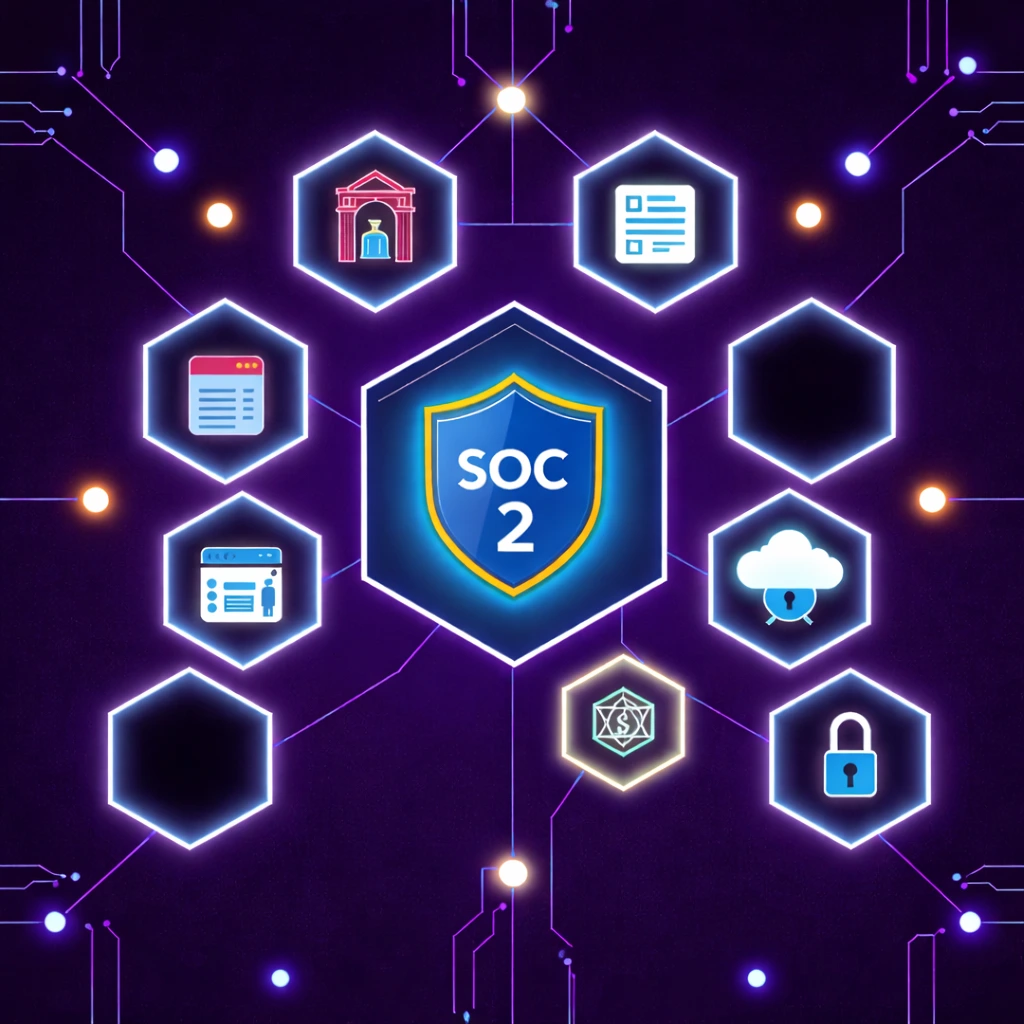
SOC 2 security and trust illustration

Summarize and analyze this content with:

ChatGPT logoPerplexity logoGemini logoClaude logo

What is SOC 2?

SOC 2 (System and Organization Controls 2) is a compliance framework developed by the American Institute of Certified Public Accountants. It is designed to evaluate how organizations manage customer data based on defined security and privacy criteria.

SOC 2 focuses on how companies handle data to ensure it is protected from unauthorized access, breaches and misuse. It is especially important for SaaS companies, cloud providers and businesses that store or process customer data.

Security
Availability
Processing
Confidentiality
Privacy
SOC 2 Logo

Who Does SOC 2 Apply To?

SaaS and Cloud Service Providers

Organizations providing SaaS or cloud-based services.

Customer Data Handlers

Companies handling customer or client data.

Enterprise Technology Providers

Technology providers working with enterprise clients.

Compliance-Required Businesses

Businesses required to demonstrate security compliance to partners.

If your organization stores or processes customer data, SOC 2 is often expected or required.

Key Principles of SOC 2

SOC 2 is based on five Trust Services Criteria. Organizations can choose which criteria apply based on their business model:

Security

Protect systems against unauthorized access.

Availability

Ensure systems are operational and accessible.

Processing integrity

Ensure systems function correctly and reliably.

Confidentiality

Protect sensitive business information.

Privacy

Safeguard personal information appropriately.

Section 01

Rights of Customers and Stakeholders

SOC 2 ensures that organizations are accountable to their customers and stakeholders by maintaining strong data protection practices.

  • Confidence — that systems are secure
  • Transparency — in how data is handled
  • Assurance — that controls are in place
  • Trust — in service reliability and performance
TRUST CENTERCONFIDENCESystem Security98%Uptime99.9%TRANSPARENCY📊Data handling report📋Audit trail accessibleASSURANCEAccess control activeEncryption enabledMFA enforcedRELIABILITYSLA: 99.95%7-day performance
Section 02

Obligations of Organizations

Organizations pursuing SOC 2 must implement comprehensive security measures and prepare for independent audits.

  • Implement security controls aligned with Trust Services Criteria
  • Document policies and procedures
  • Monitor systems and access controls
  • Maintain logs and audit trails
  • Ensure employees follow security practices
  • Prepare for independent audits
ORGANIZATIONSecurity ControlsPolicies & ProceduresSecurity Policy v3.2Access Control SOPIncident ResponseSystem MonitoringAudit PreparationReadiness: 75%Logs & Audit Trails12:04 — Access granted12:07 — Config changed12:12 — Review loggedEmployee PracticesPending trainingIn progressCompleted
Section 03

Third-Party and Vendor Management

SOC 2 requires organizations to manage risks related to vendors and service providers to reduce risks across the vendor ecosystem.

  • Vendors meet security requirements
  • Data shared with third parties is protected
  • Third-party risks are assessed regularly
  • Contracts include security and confidentiality clauses
YOUR ORGCloud ProviderRisk: LowPayment GatewayRisk: MediumHR PlatformRisk: LowAnalytics VendorRisk: HighVendor Ecosystem
Section 04

Incident Management and Response

SOC 2 emphasizes the need for strong incident response processes to ensure system reliability and trust.

  • Detect and respond to security incidents
  • Minimize impact on systems and users
  • Maintain incident response plans
  • Document and review incidents
  • Improve controls based on past incidents
DETECT!Anomaly detectedRESPONDContain threatNotify teamIsolate systemsMINIMIZEImpact ↓DOCUMENTIMPROVEControls ↑
Section 05

Audit and Reporting Requirements

SOC 2 compliance is validated through audits conducted by independent auditors. Organizations must maintain evidence and documentation.

  • SOC 2 Type I — Evaluates controls at a specific point in time
  • SOC 2 Type II — Evaluates controls over a period of time
  • Maintain evidence and documentation to support audits
  • Demonstrate control design and operating effectiveness
SOC 2 Type IPoint-in-time evaluationAUDIT DATEAssessment Scope:Control design reviewPolicy documentationSystem descriptionControl suitability📋 Snapshot ReportVSSOC 2 Type IIPeriod-of-time evaluationOBSERVATION PERIODJan 1Dec 31Ongoing Evidence:Operating effectivenessContinuous monitoring logsControl testing resultsException tracking📊 Detailed Report
Section 06

Continuous Monitoring and Control Management

SOC 2 requires ongoing monitoring of systems and controls to maintain a strong security posture.

  • Continuously track security controls
  • Monitor system performance and access
  • Maintain logs and alerts
  • Regularly review and update controls
Continuous Security Monitoring
LIVE
SOC 2 Trust Services Criteria
Search controls...
Control IDControl TextResults
CC-7.2
P
P
P
F
P
P
P
P
DateResultReason
2026-03-06Passed
2026-03-05Passed
2026-03-04Passed
2026-03-03Failed2 security controls missing documentation
2026-03-02Passed
2026-03-01Passed
CC-3.1
P
P
P
P
P
P
P
P

Steps to Achieve SOC 2 Compliance

1
Define Scope and Applicable Trust Services Criteria
2
Identify Risks and Required Controls
3
Implement Security Policies and Processes
4
Set Up Monitoring and Logging Systems
5
Work with an Auditor for Certification
6
Maintain Compliance Continuously
Step 1

Define Scope and Applicable Trust Services Criteria

Define scope and applicable Trust Services Criteria.

Risks of Not Being SOC 2 Compliant

Loss of Enterprise Deals

Failure to meet SOC 2 expectations can reduce qualification for enterprise procurement and contract opportunities.

Reduced Customer Trust

Without clear assurance controls, customers may lose confidence in your ability to protect their data.

Increased Risk of Data Breaches

Gaps in control design and operation can increase exposure to unauthorized access, breaches, and misuse.

Operational and Reputational Damage

Security incidents can disrupt operations and cause long-term reputational harm across customers and partners.

Difficulty Scaling in Competitive Markets

SOC 2 is often a key requirement for growth in SaaS and technology sectors, especially when moving upmarket.

Who Needs SOC 2 Compliance?

SaaS and Cloud Companies
Technology Service Providers
Fintech and Data-Driven Businesses
Startups with Enterprise Clients
Organizations Handling Sensitive Customer Data
Privacy-First Businesses

Start Your
SOC 2 Journey

Understanding SOC 2 is the first step toward building secure and trustworthy systems. The next step is implementing the right controls and processes to ensure compliance.

Not sure where to begin?

Assess your compliance readiness. Take the first step toward building secure and trusted systems.

Frequently Asked Questions